
Resources
Resources & practical guides
More than fifty practical guides for Swiss SMEs: moving away from Swisscom BWS, cybersecurity, the nFADP and Swiss framework, Microsoft 365, backup, networking, budget and choosing an IT partner. No jargon, no sales talk.
Are you a Swisscom BWS customer?
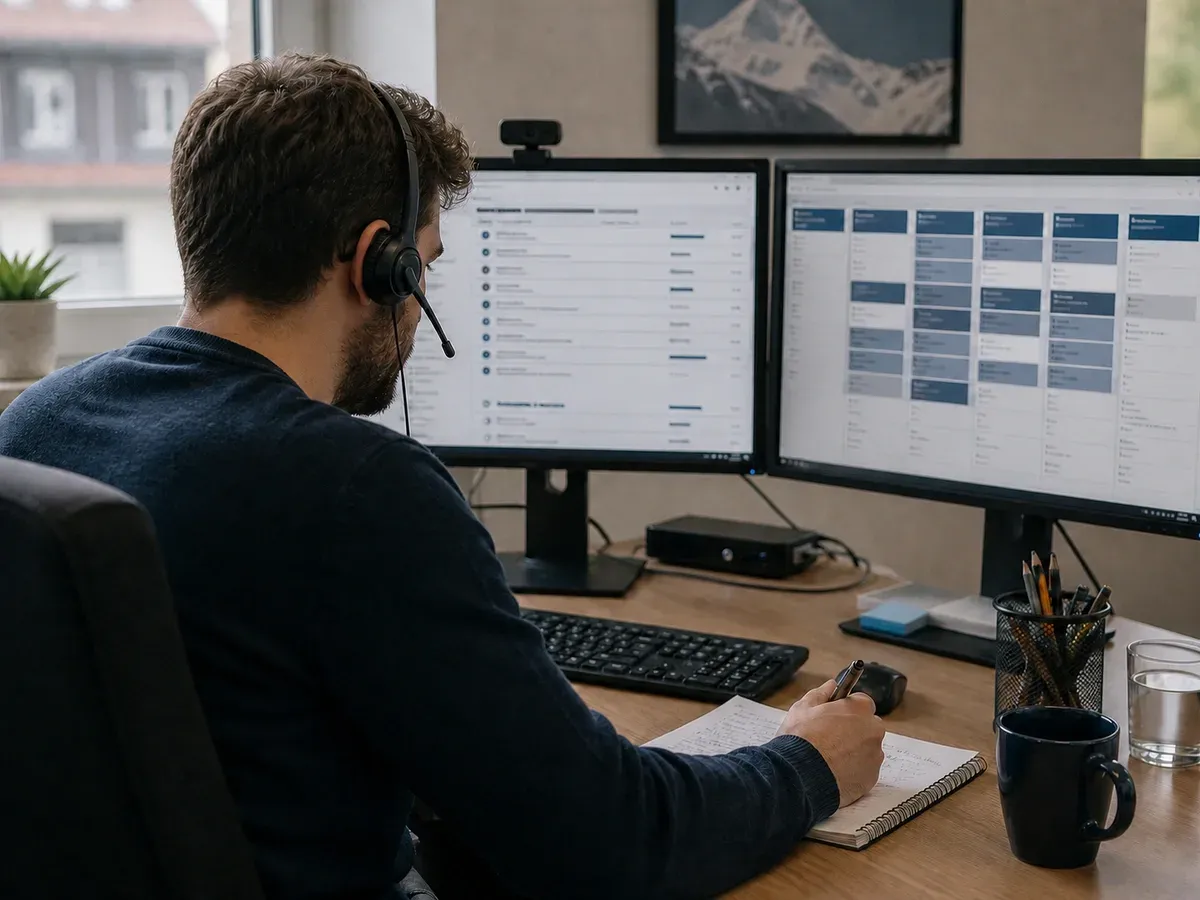
Moving away from Swisscom BWS: plan the handover
Thinking of moving away from Swisscom BWS? The access rights, licenses, data and steps to check when preparing your SME's IT handover.
Read the article 3 min read

Alternative to Swisscom BWS for SMEs
Looking for an alternative to Swisscom's Business Workplace Service (BWS)? The realistic options for a Swiss SME, honestly compared.
Read the article 3 min read
Transition & choosing a provider
4 articlesChanging IT model or partner without disruption, and comparing the options on concrete criteria.
-
In-house, outsourced or co-managed IT: which to choose?
The three models for managing an SME's IT, with their real strengths and limits. An honest comparison, without sales talk.
-

Choosing an IT provider: 10 questions to ask
Choosing an IT provider for your SME? Ten questions on support, security, documentation and contract terms to ask before you sign, and the answers to expect.
-
Switching IT provider without disruption
Thinking of switching IT provider? The timeline, the access rights to recover and the steps for a transition that keeps service interruption to a minimum.
-

Why SysPros rather than another MSP?
What concretely sets us apart: standardized baseline, systematic documentation, measured commitments. And what we do not promise.
Cybersecurity
11 articlesPhishing, ransomware, payment fraud, passwords and access: the real risks for an SME and the measures that reduce them.
-
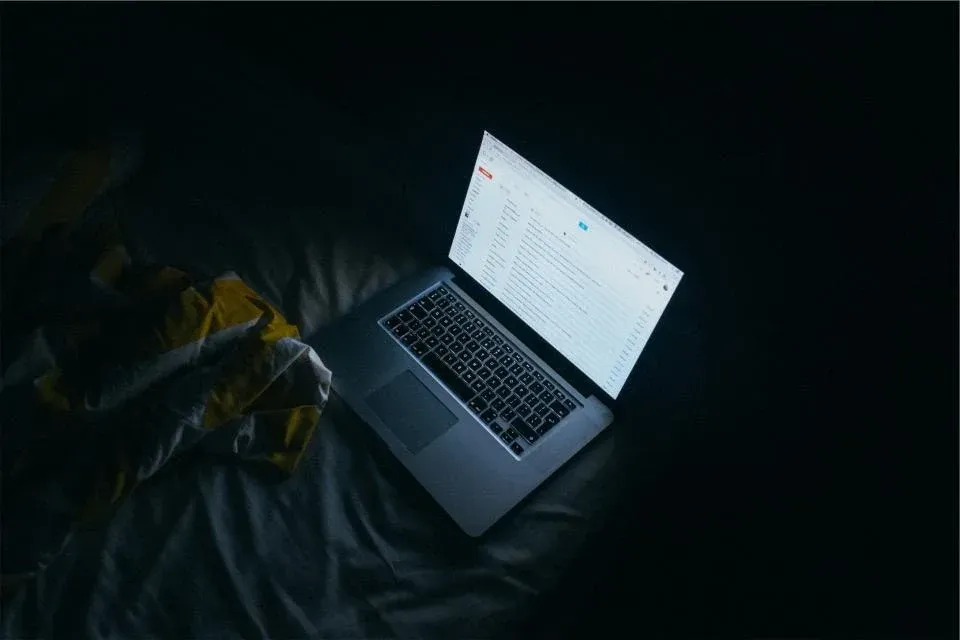
Phishing: how to spot a fraudulent e-mail
How to spot a phishing e-mail: the warning signs, recent variants (QR codes, fake MFA requests) and the right way to react when you work in an SME.
-
Multi-factor authentication (MFA) for SMEs
Multi-factor authentication protects your Microsoft 365 accounts. Which methods to choose, and how to roll out MFA in an SME without locking your teams out.
-

Fake IBAN fraud: protecting your payments
Payment fraud via a fake supplier, a fake CEO or a hacked mailbox: how fake IBAN fraud works and the simple rules that protect an SME's outgoing payments.
-
Ransomware: what to do in the first hour
Files encrypted, ransom note on screen: what to do and what to avoid in the first hour of a ransomware attack, and how to prepare for one ahead of time.
-
Password manager for small business: how to choose
A password manager for small business: why adopt one, which criteria to check (shared vaults, MFA, hosting) and how to roll it out in a Swiss SME.
-

Security awareness training for employees in SMEs
Security awareness training for employees: an ongoing program, phishing simulations measured by team and a no-blame culture, for SMEs in Switzerland.
-
EDR vs antivirus: what's the difference for SMEs?
EDR vs antivirus vs MDR: what each level of endpoint protection actually brings to an SME, and why every security alert always needs someone to read it.
-

Secure remote work for SMEs: the rules to apply
Secure remote work for SMEs: managed devices, VPN or Conditional Access, home Wi-Fi, public networks, paper and video calls. The rules that help in Switzerland.
-
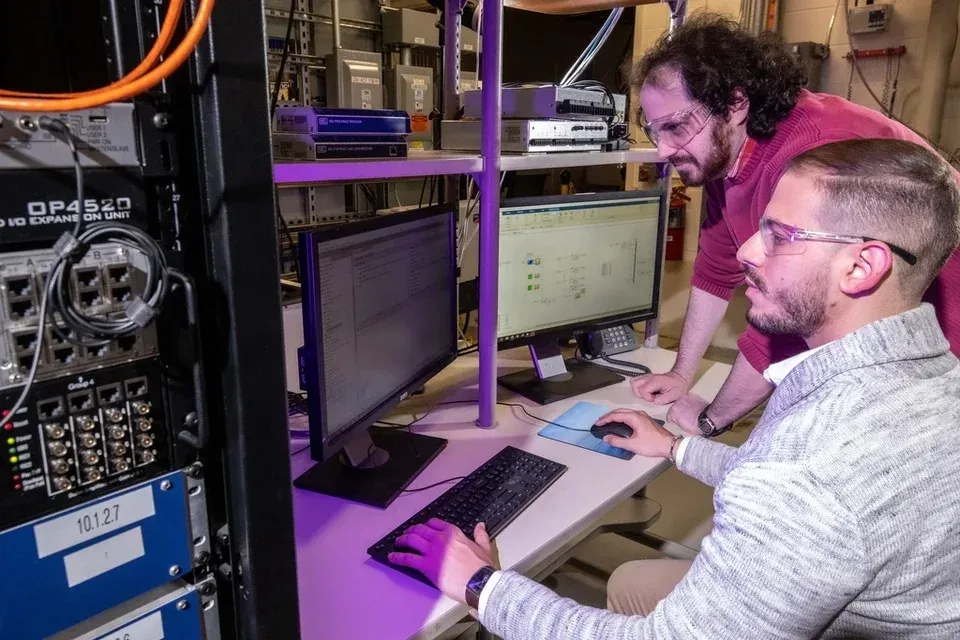
Patch management for small business: security updates
Patch management for a small business in Switzerland: computers, servers, firewalls, applications and firmware, with timelines, testing, restarts and tracking.
-

Secure admin accounts in a small business
How to secure admin accounts in a Swiss SME: separate accounts, least privilege, phishing-resistant MFA, break glass accounts, regular reviews and logging.
-
Penetration test vs security audit: which one for SMEs?
Penetration test vs security audit for a Swiss SME: the differences, vulnerability scanning, scope, the report and the follow-up actions it should lead to.
Compliance & Swiss framework
7 articlesThe nFADP, breach notification, document retention, cyber insurance and AI: what the Swiss framework asks of an SME's IT.
-
nFADP: the IT measures an SME needs to plan
The new Federal Act on Data Protection (nFADP) has applied in Switzerland since September 2023. The practical IT measures an SME needs to put in place.
-

Data breach notification in Switzerland: the FDPIC
Data breach notification in Switzerland: when to report to the FDPIC under the nFADP, how quickly, who to inform and what to document. Practical steps for SMEs.
-
nFADP data processing agreement with your IT provider
nFADP data processing agreement: what the contract with your IT provider in Switzerland should cover (security, data location, incidents, end of contract).
-
Record of processing activities (nFADP): who needs one?
Record of processing activities under the nFADP: who must keep one, the exemption below 250 employees, what it contains and how a Swiss SME keeps it current.
-
Document retention periods in Switzerland
Document retention periods for businesses in Switzerland: 10 years for accounting records (CO), electronic archiving, integrity and deleting personal data.
-

Generative AI at work: data protection in Switzerland
Generative AI in business and data protection in Switzerland: ChatGPT or Copilot, data not to enter, work accounts, the nFADP and an internal AI usage policy.
-
Cyber insurance: what your insurer will ask
Cyber insurance requirements for SMEs: MFA, backups, EDR, updates. The questions insurers ask before covering cyber risks, and how to prepare your answers.
Microsoft 365 & workstations
11 articlesLicensing, migration, e-mail, device lifecycle, and handling new starters and leavers.
-

Moving to Microsoft 365 without e-mail downtime
Microsoft 365 migration for SMEs: the steps for moving e-mail and files, from preparation to cutover, the checks to run afterwards and the pitfalls to avoid.
-
Microsoft 365 Business: Basic, Standard or Premium?
Microsoft 365 Business Basic, Standard and Premium compared for an SME: what each license includes and how to choose without overpaying.
-
Microsoft 365 Copilot for small business: prerequisites
Microsoft 365 Copilot for small business in Switzerland: a paid add-on license, access rights and sharing to review, sensitivity labels and a pilot.
-

Windows 10 end of support: what about remaining PCs?
Windows 10 end of support came in October 2025. The risks for an SME, the options (upgrade, ESU, replacement) and a plan for the computers still running it.
-
Exchange Server 2016 and 2019 end of support: options
Exchange Server 2016 and 2019 end of support came in October 2025: the risks for a Swiss SME, Exchange Online or Subscription Edition, and migration steps.
-
Intune Autopilot: deploying PCs without touching them
Intune Autopilot sets up a new PC at first sign-in: profiles, compliance, encryption, apps and licensing explained for a Swiss SME, step by step.
-
SharePoint vs file server: which one to choose?
SharePoint vs file server for a Swiss SME: collaboration, permissions, remote access, large files, business applications and migration, compared honestly.
-
SPF, DKIM, DMARC: protect your e-mail domain
SPF, DKIM and DMARC: three DNS records that stop spoofing of your domain and improve e-mail deliverability. What they do and how to roll them out.
-
Employee offboarding: the IT checklist
Accounts, e-mail, files, devices, shared passwords: the employee offboarding IT checklist to follow when someone leaves, and when someone new joins.
-

BYOD policy for small business: what to put in it
BYOD policy for small business in Switzerland: written rules, data separation, MFA, selective wipe, employee privacy and what happens when someone leaves.
-

Business VoIP phone systems for SMEs in Switzerland
Business VoIP phone system for Swiss SMEs: virtual PBX, number porting, Teams or an app, connection quality, fallback options and emergency calls.
Backup & hosting
8 articlesProtecting data, preparing recovery after an incident and choosing where to host servers and applications.
-
3-2-1 backup rule: protecting an SME's data
Three copies, two media, one off site: the 3-2-1 backup rule explained simply, with the immutable copy and the restore tests that complete it.
-
Is Microsoft 365 backed up? What you need to know
Microsoft 365 backup: Microsoft ensures the service is available, not the long-term recovery of your data. What the recycle bins cover and why to back up.
-

Swiss data hosting: what it changes for an SME
Swiss data hosting for an SME: what the nFADP and your clients expect, what data location alone does not guarantee, and the questions to ask a hosting provider.
-

On-premises server or cloud: how to choose?
On-premises server or cloud: keep a server on site, move to a Swiss cloud or combine both. How to decide based on your applications, connection and costs.
-
Windows Server 2016 end of support: what to do?
Windows Server 2016 end of support on January 12, 2027: inventory of roles, options (2022, 2025, Swiss cloud, Entra ID) and a timeline for a Swiss SME.
-
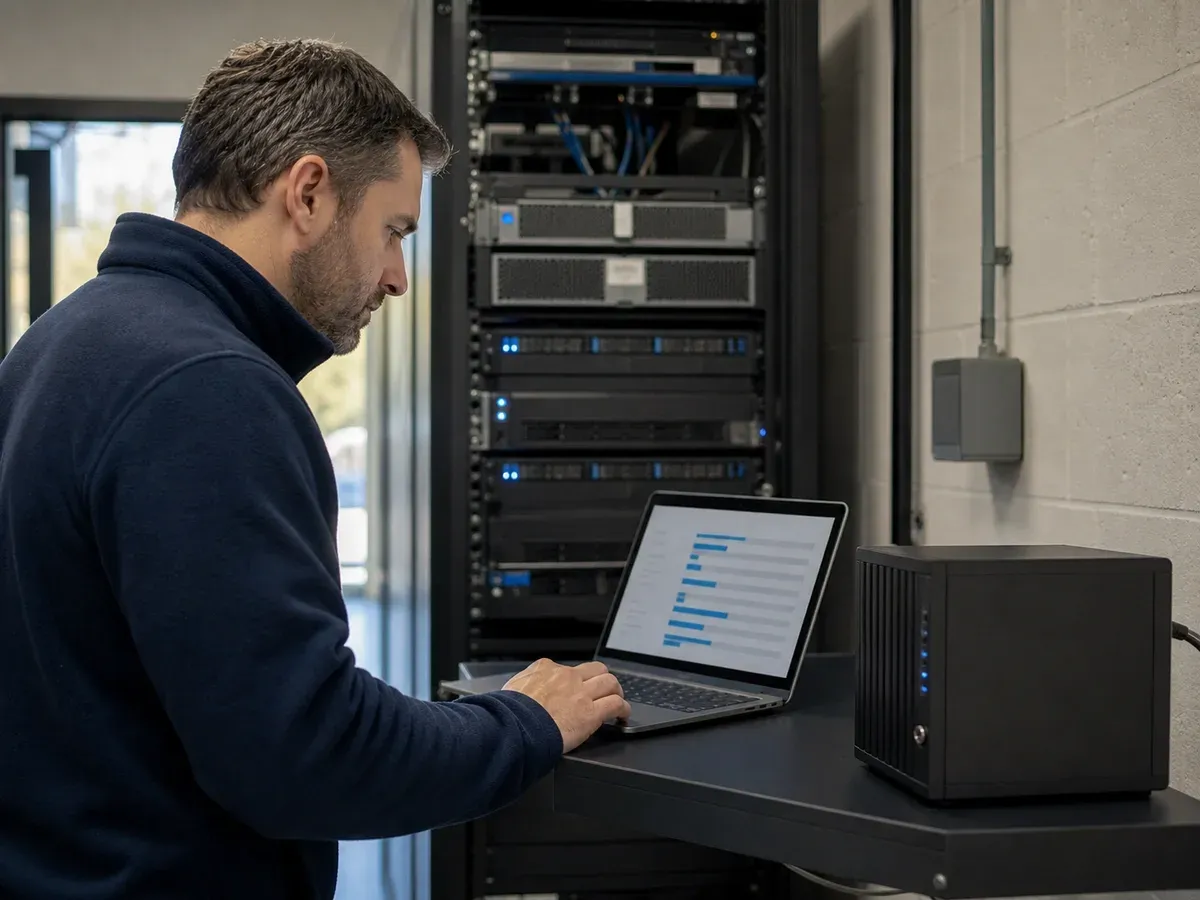
NAS vs cloud storage: which suits a small business?
NAS vs cloud storage for a Swiss small business: pros, limits, the risks of a NAS exposed to the Internet, and why neither one is a backup on its own.
-
BitLocker laptop encryption for small businesses
BitLocker laptop encryption for business in Switzerland: why to enable it (theft, loss, nFADP), where to keep recovery keys, and what to do about USB drives.
-
Disaster recovery plan: writing one for an SME
What if the server, e-mail or premises become unavailable? The building blocks of a simple disaster recovery plan that a small business can actually use.
Networking & connectivity
5 articlesFiber, Wi-Fi, firewalls, VPNs and multiple sites: the basics of a reliable, secure business network.
-
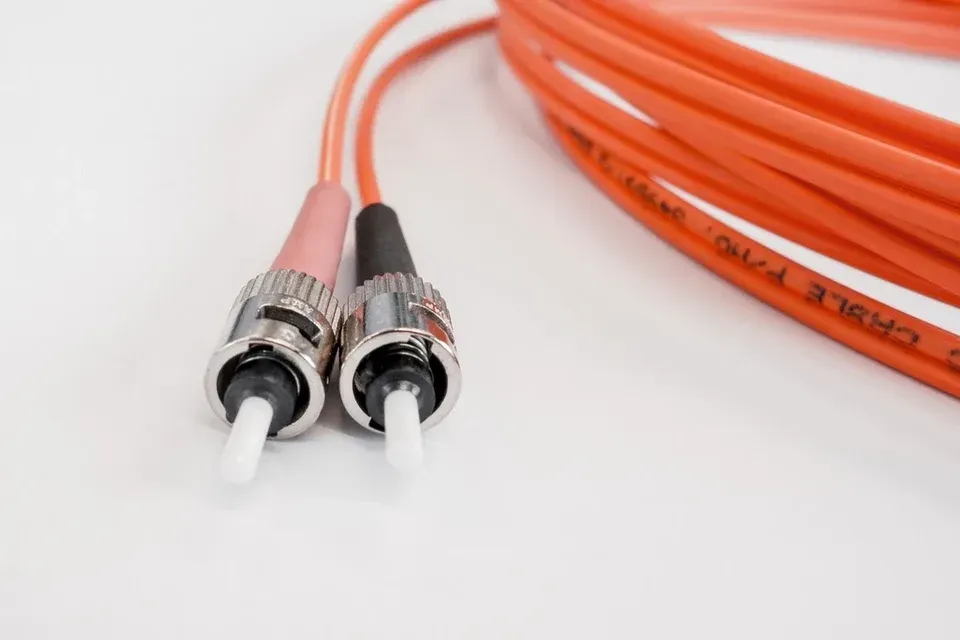
Business internet in Switzerland: fiber and backup
Business internet in Switzerland: fiber, symmetric bandwidth, static IP, the provider's SLA and a backup link to keep your small business online in an outage.
-
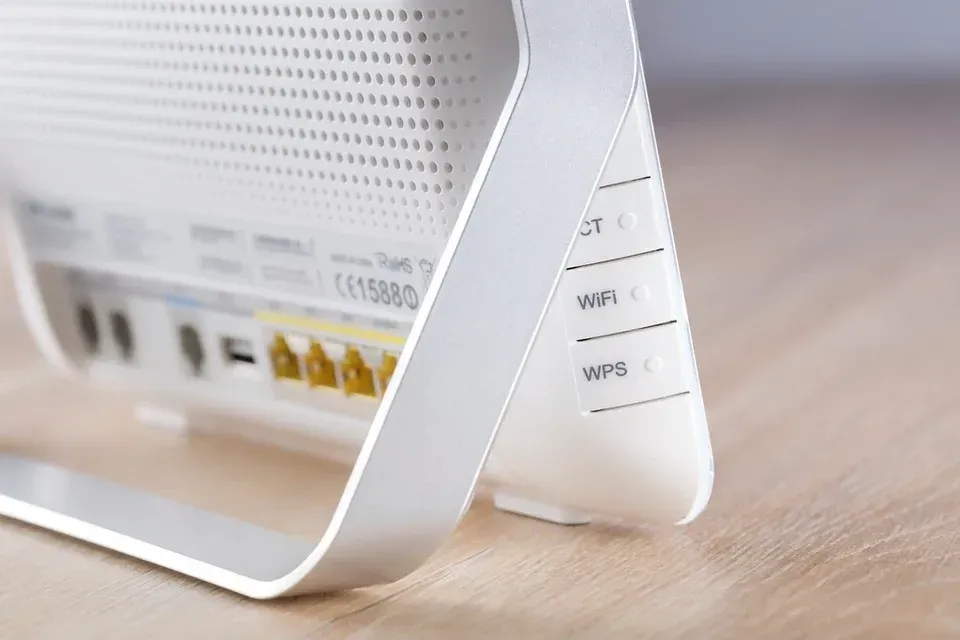
Business Wi-Fi: guest network and security
Separate guests, protect the internal network, cover every room: good practices for reliable, secure business Wi-Fi in a small or medium-sized business.
-
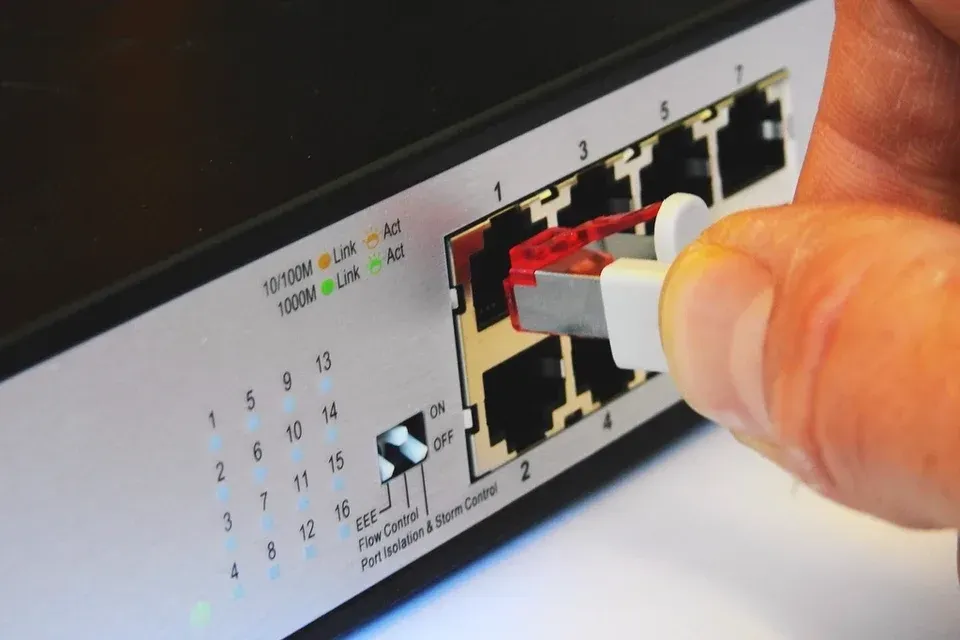
Business firewall: what is it really for?
ISP-supplied router or business firewall? What a firewall protects in an SME, what it does not protect, and the settings to check on a regular basis.
-

Business VPN: securing remote access
Business VPN, zero trust access, remote desktop: how a Swiss SME gives access to its data from outside the office without opening its network to attackers.
-
Connect multiple offices: site-to-site VPN or SD-WAN?
Connect multiple offices of a Swiss SME with a site-to-site VPN or SD-WAN: needs, architecture, redundancy, monitoring and documentation, without the jargon.
IT management & budget
6 articlesBudget, contracts, audits, documentation and hardware renewal: running an SME's IT over the long term.
-

IT budget for a small business: what to plan for
IT budget for a small business: licenses, hardware, support, security, backup and projects. The line items to plan for in Switzerland, over 3 to 5 years.
-
IT audit for a small business: what does it cover?
IT audit for a small business: inventory, security, backups, network, licenses, documentation. What it covers, the deliverables and next steps in Switzerland.
-

Managed IT services contract and SLA: what to check
Managed IT services contract and SLA: scope, support hours, response vs resolution times, priorities, exit terms. The clauses Swiss SMEs should read first.
-
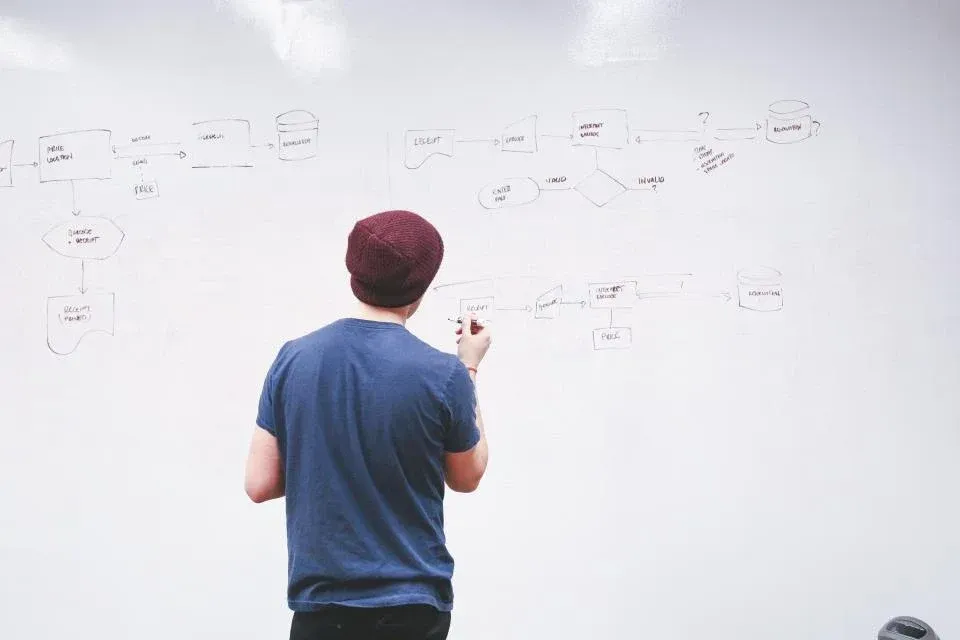
IT documentation: what a small business needs
IT documentation for a Swiss SME: inventory, network diagram, access, procedures, contracts and licenses, where to store it and who should keep it up to date.
-
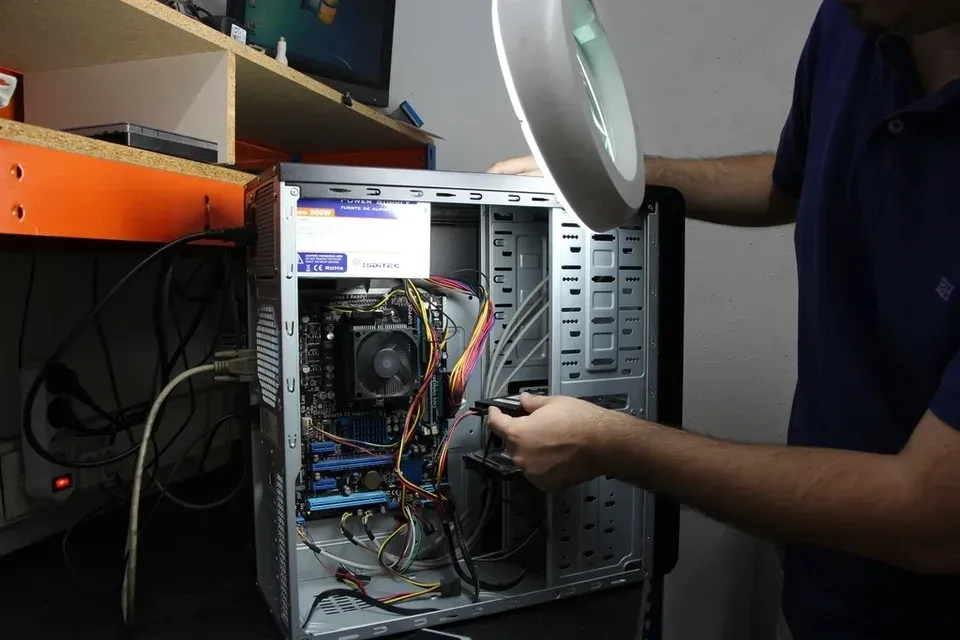
Business computer lifespan: when to replace a PC
Business computer lifespan: when to replace a PC, how to stagger renewal, wipe the drives securely and recycle IT equipment in Switzerland. A practical guide.
-

Buy or lease IT equipment for a small business?
Buy or lease IT equipment? Cash flow, ownership, renewal, end-of-lease terms and data left on returned drives: a side-by-side comparison for Swiss SMEs.
Let's talk about your IT
A first no-obligation conversation. We analyze your situation, identify risks and propose a clear framework. You decide what happens next.